Stories, tips and ideas for raising children who learn in their own language. Practical, research-backed advice for South African families.
💬 Indaba: a gathering where people come together to talk things through
Many children in English-medium schools slowly stop speaking isiZulu, Sesotho or isiXhosa. Here is why it happens, why it matters, and what parents can do.

Looking for a meaningful Christmas gift for your grandchildren? These ideas, from printable workbooks to voice-note stories and traditional games, help children learn and love their home language.
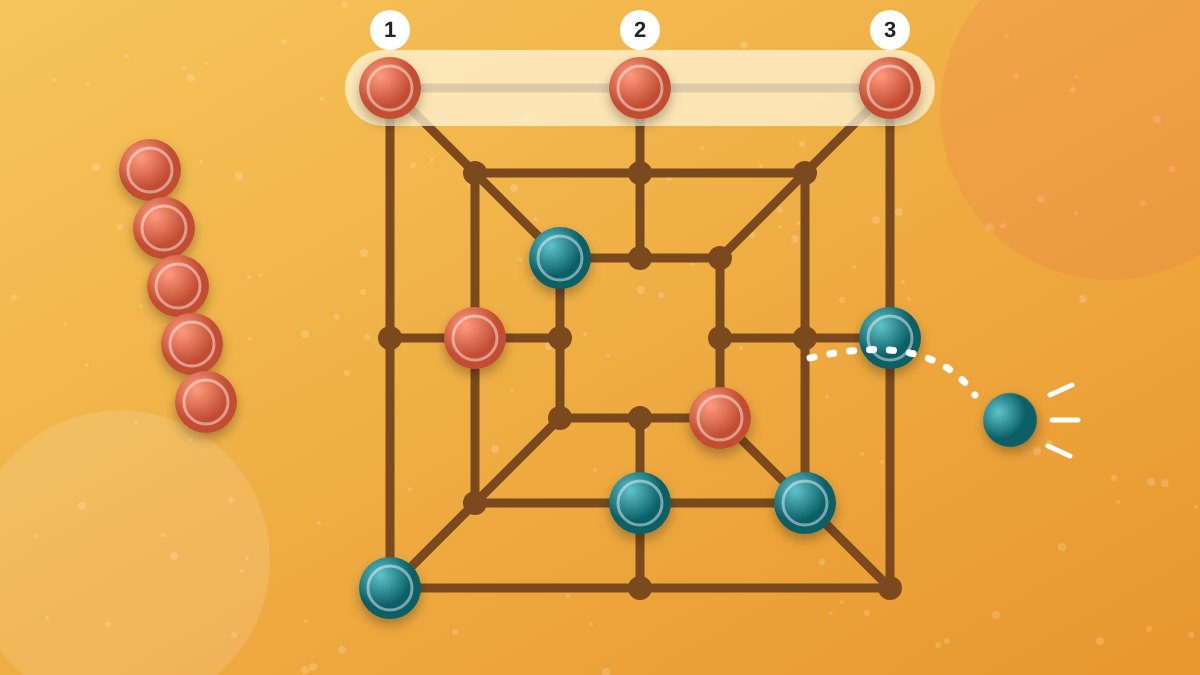
A simple guide to morabaraba, South Africa's favourite strategy board game. Draw the board, learn the rules for placing, moving, flying and making mills, and teach it to children by age.

A simple, playful 10-minute daily routine to teach your child isiZulu at home, with a 4-week word plan, everyday phrases and tips for busy parents.

Turn everyday routines into isiXhosa lessons. Morning, kitchen, car, bath and bedtime words for children, plus fun ways to practise the c, q and x clicks.

Practical ways to teach your child Sesotho at home, from greetings and family words to outdoor word games, counting and a note on South African spelling.

Water, dog, sun, book and more in isiZulu, isiXhosa, siSwati, isiNdebele, Sesotho, Setswana, Sepedi, Xitsonga and Tshivenda, plus hello and thank you.

Will two languages confuse your child or delay their speech? We bust seven common myths about raising bilingual children in South Africa, with what research says.

Bedtime stories in isiZulu, isiXhosa, Sesotho and other South African languages build reading and language skills. Here is how to make it a habit and where to find free books.

What the WHO and paediatricians recommend for screen time from babies to age 10, how to pick good learning apps, and simple family rules that actually work.

Thinking about homeschooling in South Africa? What the law says after the BELA Act, how registration and assessments work, curriculum choices and a realistic daily routine.

Grandparents are a family's richest source of language, stories and heritage. Practical ideas for gogos and mkhulus to pass on isiZulu, Sesotho, Xitsonga and more, even from far away.
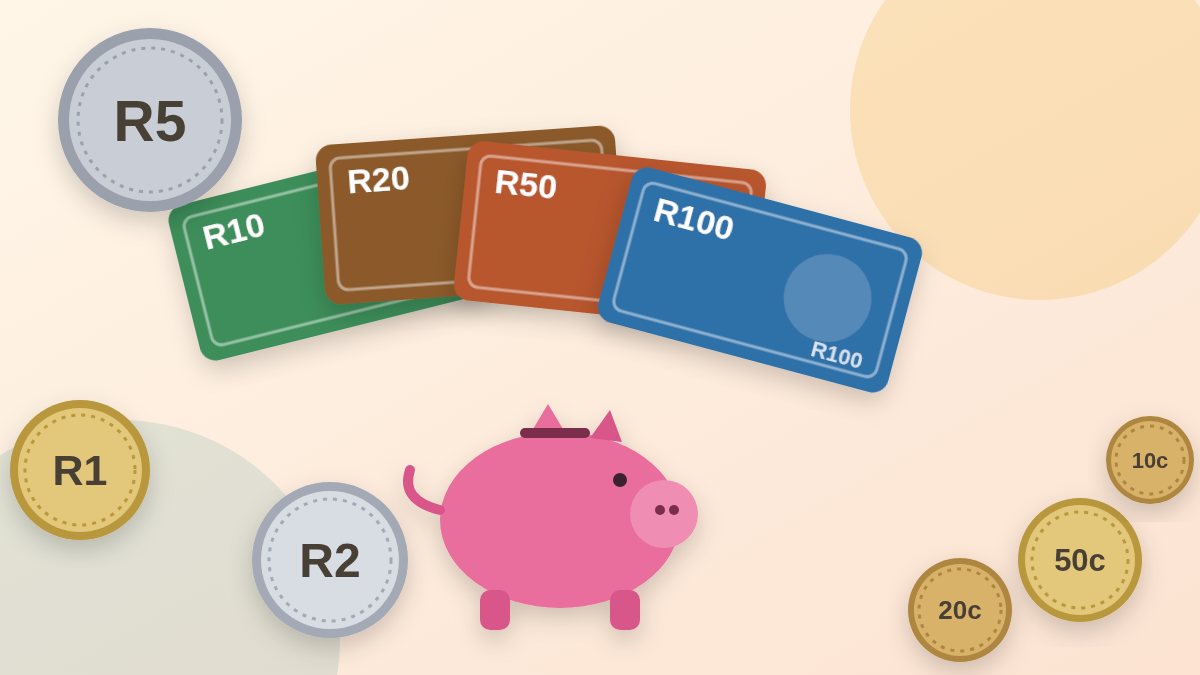
Fun, age-by-age ways to teach South African children about rands and cents, from recognising coins to giving change, saving and running a pretend spaza shop.

From morabaraba and diketo to kgati and bottle-top maths, these traditional and everyday South African games teach counting, strategy, language and teamwork.
Games, stories and a weekly plan in nine South African languages, for ages 2 to 10. Free for 7 days.
